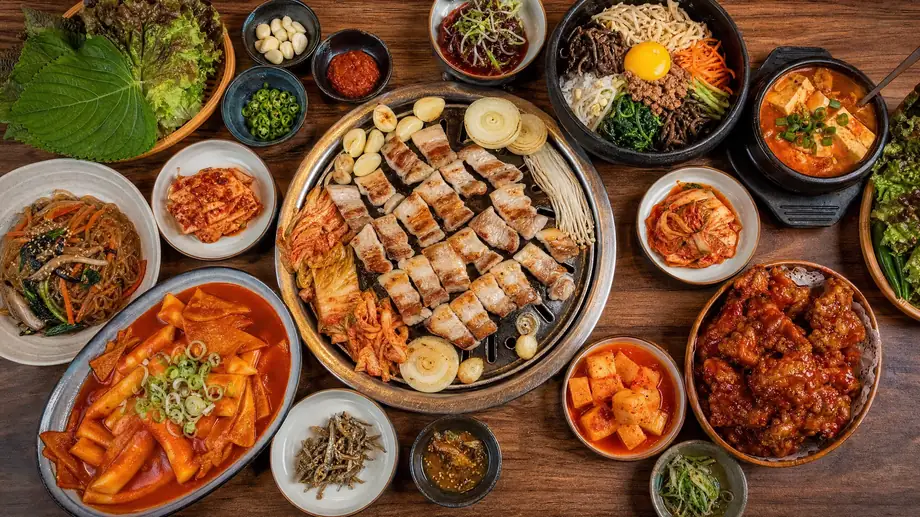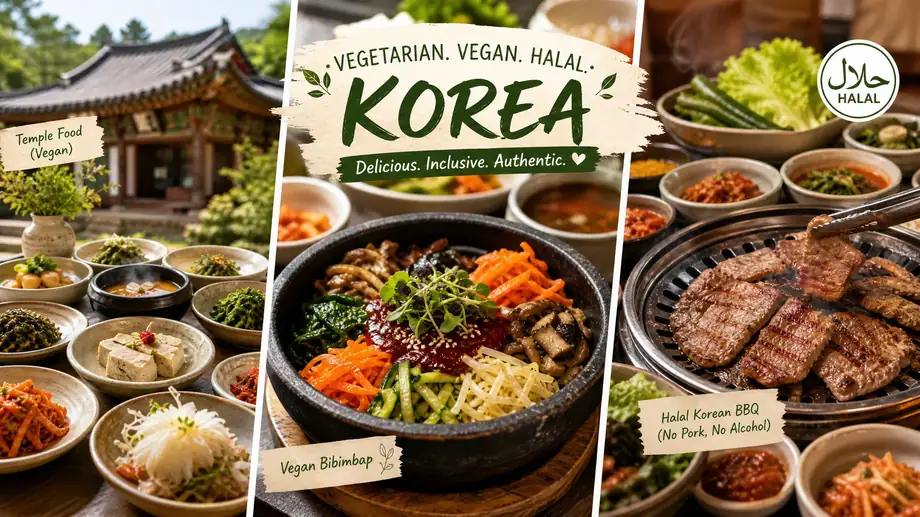
Korea has a reputation for being tough if you don't eat meat — and honestly, that's not entirely wrong. Korean cuisine runs deep on anchovy broth, pork-based stocks, and fermented seafood pastes that sneak into dishes that look completely plant-based. But here's the real picture: it depends entirely on what level of dietary restriction you follow. Some people will eat just fine at almost any Korean restaurant. Others will need to plan carefully. This guide breaks it all down by level — so you know exactly what to expect, what to order, and what to avoid.
💡 Rian's Note
I'm Korean. When I worked at a company, we'd sometimes have vegetarian visitors from abroad — and honestly, it was always a bit stressful figuring out what to serve them. Korean food culture isn't designed with vegetarians in mind. But knowing the right options makes a huge difference. Here's what I'd actually recommend.
⚠️ The Hidden Trap: Free Side Dishes (밑반찬, Banchan)
One of the best things about Korean restaurants is that free side dishes (banchan) are automatically served with every meal. But for vegetarians, this is also a trap. Mixed in with the vegetable dishes, you'll often find stir-fried anchovies (멸치볶음), fish cake (어묵), egg rolls (계란말이), and meat-based sides. Don't assume they're all plant-based just because they look like vegetables. Check each dish individually — or ask for "채식 반찬만 주세요" (vegetarian side dishes only).
🐟 Level 1: Pescatarian — 고기 X, 생선·해산물 OK
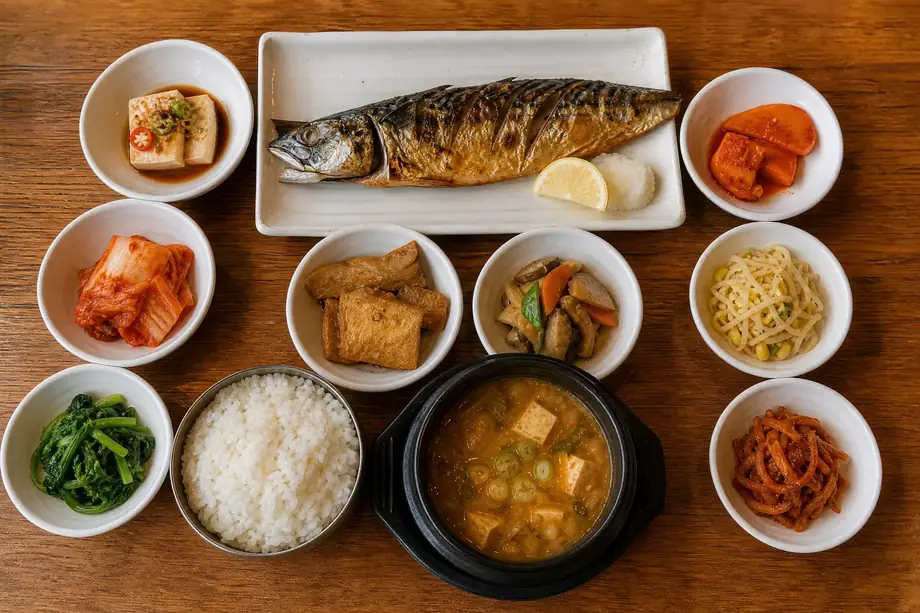
Korea is actually very easy for pescatarians. Seafood is deeply woven into Korean cuisine — grilled fish, seafood stews, raw fish, shellfish. You'll have plenty of options at almost any restaurant.
| Dish | Korean | Notes |
|---|---|---|
| Grilled Fish Set Meal | 생선구이 정식 | Mackerel (고등어), yellow croaker (조기), hairtail (갈치). Comes with rice, soup, and banchan. ⚠️ The soup may be meat-based — check first. Stick to the fish and safe vegetable banchan. |
| Seafood Pancake | 해물파전 | Crispy green onion pancake loaded with shrimp, squid, and clams. A safe and delicious choice. |
| Raw Fish (Sashimi) | 회 (hoe) | Very fresh, served with lettuce wraps, gochujang, and sesame oil. Excellent option. |
| Seafood Soft Tofu Stew | 해물 순두부찌개 | Spicy silken tofu stew with clams, shrimp, and squid. Ask for no meat (고기 빼주세요). |
| Cold Soybean Noodles | 콩국수 | Chilled noodles in cold soybean broth. Summer specialty. No meat — naturally pescatarian and even vegan-safe. |
⚠️ At Grilled Fish Restaurants (생선구이집)
The fish itself is fine. But the soup (국) that comes with the set meal is almost always meat or anchovy-based. The side dishes (banchan) may also include fish cake, stir-fried anchovies, or egg. Strategy: eat the fish + safe vegetable banchan, and skip or ask about the soup.
🥗 Level 2: Vegetarian (채식주의자) — 고기·생선 X, 유제품·계란 OK
This is where it starts to get tricky in Korea. The problem isn't just the obvious meat — it's the invisible ingredients. Anchovy broth (멸치육수) is the base for most Korean soups and stews. Fish sauce (액젓) goes into kimchi. Fermented shrimp paste (새우젓) is in many side dishes. A bowl of vegetable soup that looks completely plant-based may have been made with anchovy stock. You need to ask specifically.
Key phrase: "저는 채식주의자예요. 고기랑 생선 없이 먹을 수 있는 게 있나요?" (I'm a vegetarian. Is there anything I can eat without meat or fish?)
✅ Top Recommendation: Tofu Dishes (두부 요리)
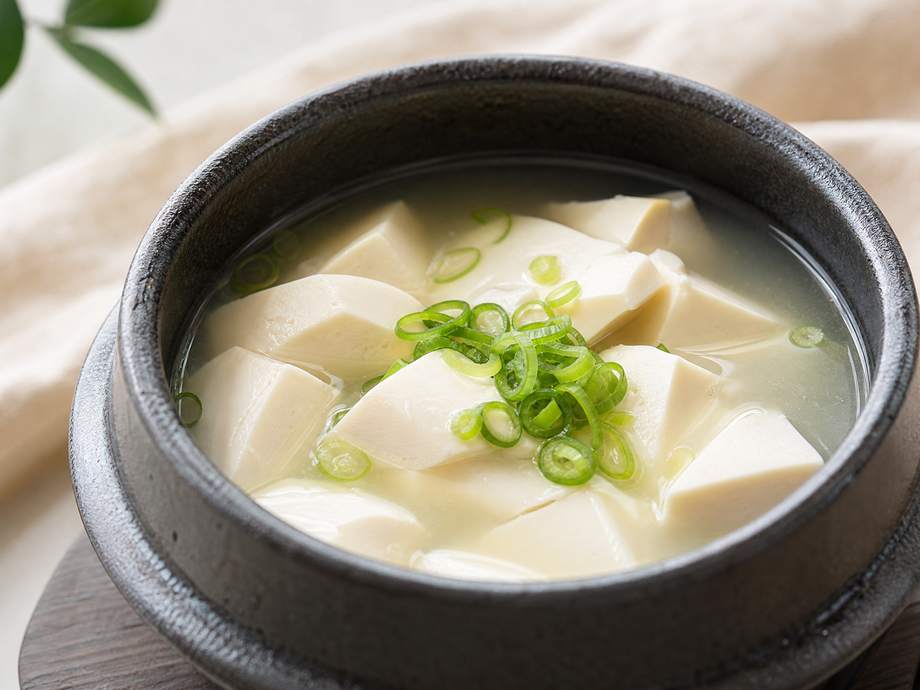
Tofu is your best friend in Korea. It's widely available, clearly vegetarian, and comes in many forms. If you're unsure what to order at a regular Korean restaurant, start here.
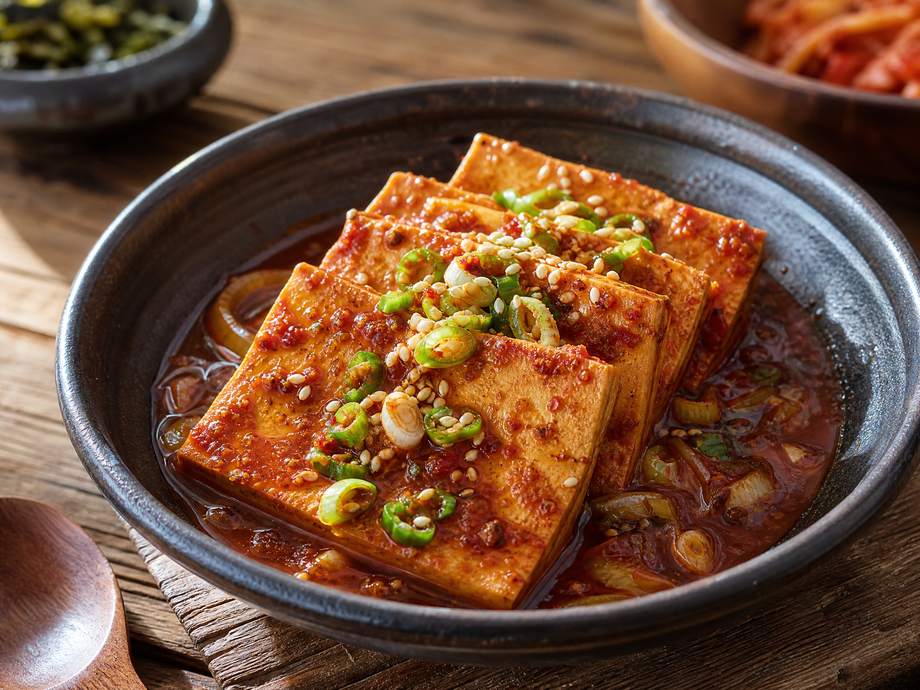
- 두부조림 (Dubu Jorim) — Spicy braised tofu. Widely available, clearly vegetarian, and very satisfying.
- 두부전골 (Dubu Jeongol) — Tofu hot pot with vegetables. Ask about the broth (육수) — request vegetable broth (채수) if possible.
- 모두부 (Modu-bu) — Plain white tofu block, served with soy sauce and sesame oil. Simple but clean.
- 두부구이 (Dubu Gui) — Pan-fried tofu in perilla oil (들기름). Nutty, fragrant, and delicious.
✅ More Recommended Dishes
| Dish | Korean | Notes |
|---|---|---|
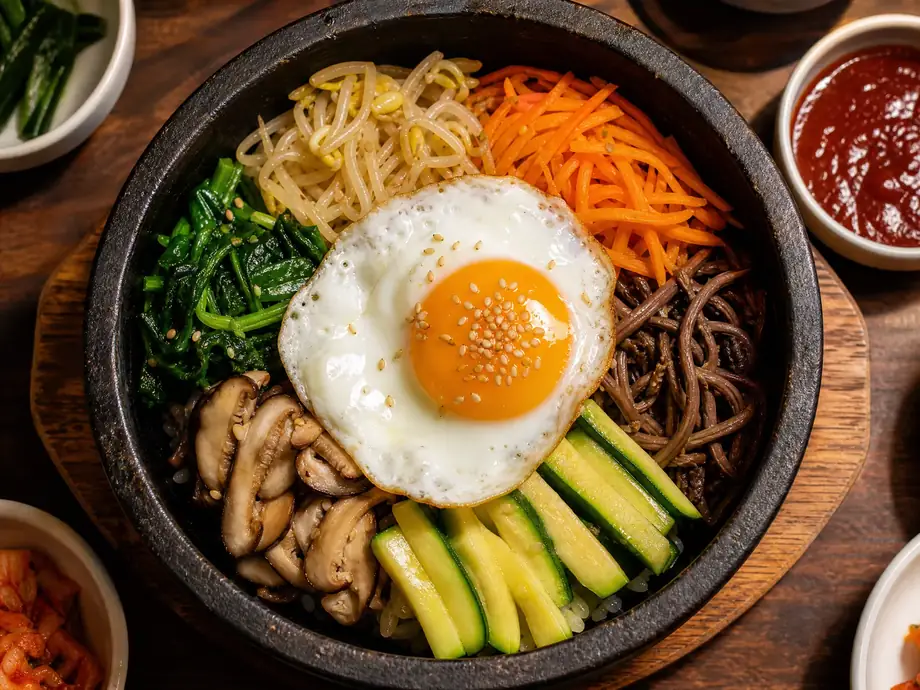
| Bibimbap (no meat) | 비빔밥 (고기 빼고) | Ask to remove meat. Important: the gochujang (red pepper paste) sometimes has meat mixed in — ask for plain gochujang, substitute with soy sauce (간장), or skip the sauce entirely. Still delicious without it. Egg on top is fine for vegetarians. |
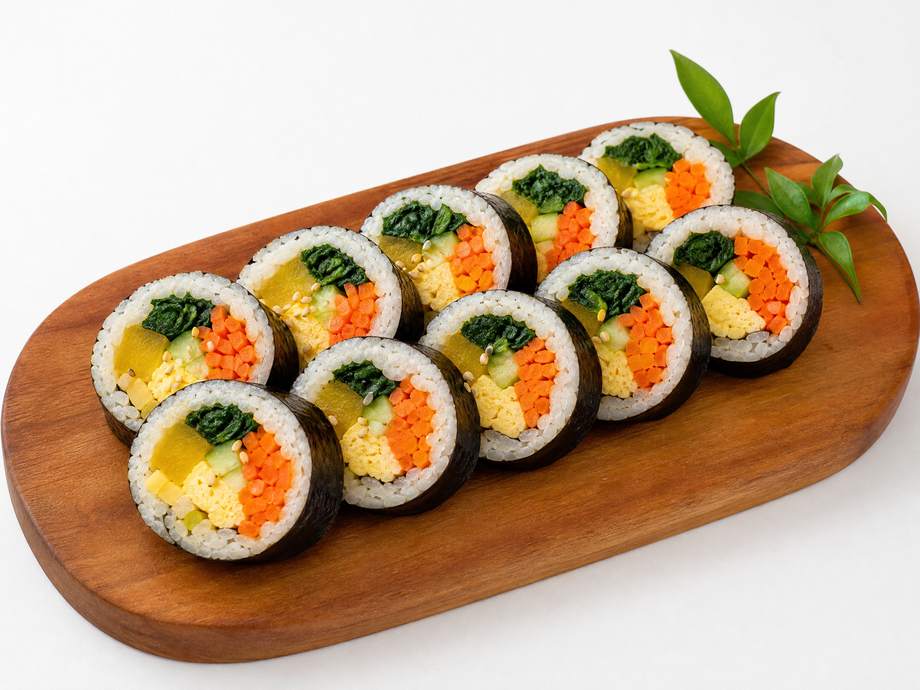
| Vegetable Kimbap | 야채 김밥 | Rice rolls with pickled radish, spinach, carrot, egg. Always say "야채 김밥" specifically — regular kimbap has tuna or ham. Not always on the menu, but most kimbap shops can make it fresh on request. |
| Vegetarian Buffet | 채식 뷔페 | Han Gwa Chae (한과채) in Jongno — affordable Korean vegetarian buffet (~₩13,000). Great for groups or when you want variety without stress. → Google Maps |
❌ Dishes That Look Vegetarian — But Aren't
| Dish | Why to Avoid |
|---|---|
| Naengmyeon (냉면) | The broth is beef or chicken-based. Removing the meat topping doesn't help — the stock itself is meat. |
| Seolleongtang / Gomtang (설렁탕/곰탕) | Bone broth soup. Completely meat-based. |
| Kimchi Jjigae (김치찌개) | Usually made with pork. Even "vegetable" versions often use anchovy broth. Only safe at dedicated vegetarian restaurants. |
| Doenjang Jjigae (된장찌개) | Looks vegetable-based (tofu, zucchini, mushrooms) but almost always made with anchovy broth. |
| Most Kimchi (김치) | Traditional kimchi contains fish sauce (액젓) or fermented shrimp (새우젓). Vegan kimchi exists but is not the default. |
| Gukbap / Sundae Guk (국밥) | Rice in soup — the soup is always meat-based (pork or beef). |
🗺️ Find vegetarian restaurants: 채식 뷔페 서울 · Vegetarian restaurant Seoul · 비건 식당 서울
🌱 Level 3: Vegan (비건) — 동물성 전부 X
Strict veganism in Korea requires planning, but it's very doable in Seoul. The key is going to dedicated vegan restaurants rather than trying to modify dishes at regular Korean restaurants. The vegan scene in Seoul has grown significantly — there are now hundreds of options if you know where to look.
- Ose Gye Hyang (오세계향) — Insadong. Long-running Buddhist-style vegetarian restaurant. No garlic or onion. One of the most respected in Seoul. → Google Maps
- Plant (플랜트) — Itaewon. Modern vegan cafe and restaurant. English-friendly menu. Popular with expats and travelers. → Google Maps
- Han Gwa Chae (한과채) — Jongno. Affordable Korean vegan buffet (~₩13,000). Great for trying many dishes at once. → Google Maps
- Legume (레귬) — Gangnam. Modern plant-based Korean restaurant. → Google Maps
💡 Rian's Tip: How to Find Vegan Restaurants
HappyCow (app) — lists 700+ vegan options in Seoul. Best for international travelers.
Naver Map (네이버 지도) — search "비건" or "채식" for local Korean results that don't appear on international apps.
Google Translate Camera — point at any Korean menu to translate in real time.
🛕 Level 4: Temple Food (사찰음식) — Korea's Original Vegan Cuisine
This is something most travelers don't know about — and it's genuinely special. Korean Buddhist temple food has been 100% plant-based for over a thousand years. It goes even further than veganism: it also avoids the five pungent vegetables (오신채) — garlic, green onions, onions, chives, and leeks. The result is incredibly subtle, clean, and complex flavoring using only fermented pastes, wild greens, and seasonal vegetables.
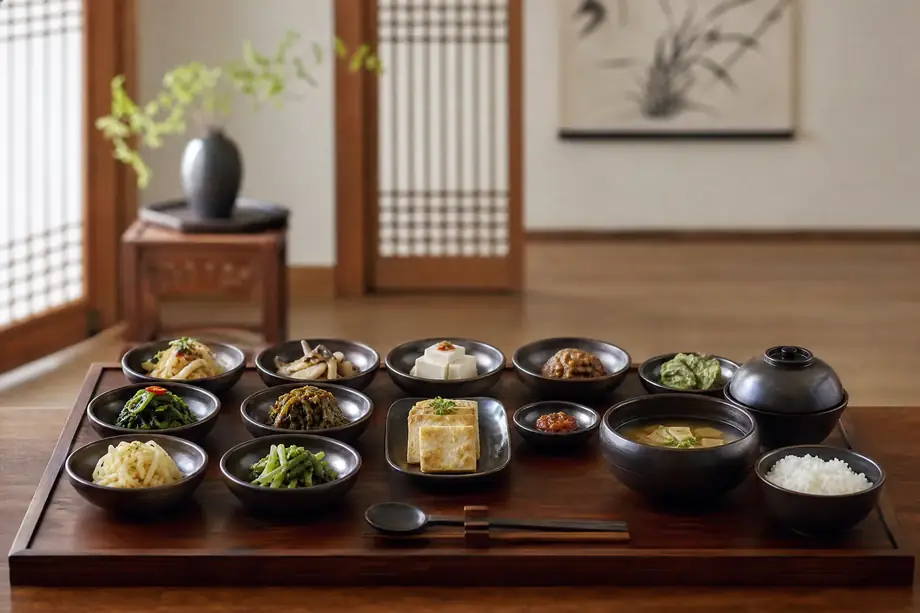
Balwoo Gongyang (발우공양), near Jogyesa Temple in Seoul, is the most well-known temple food restaurant — Michelin-recognized, around ₩40,000–80,000 per person for a set meal. It's not cheap, but it's a genuinely unique experience. For a more accessible option, many Buddhist temples around Korea offer templestay programs that include temple food meals. → Google Maps: 발우공양
🕌 Halal Travelers in Korea
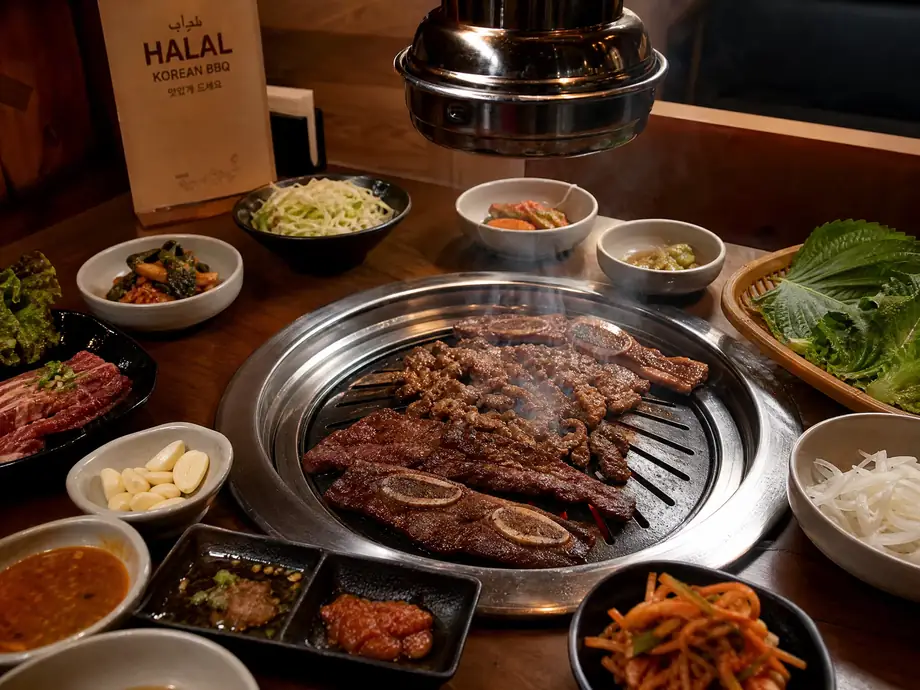
Korea's halal food scene has grown significantly, especially in Seoul. It's still not as easy as traveling to Malaysia or Turkey, but with the right tools and knowledge, you can eat well. Halal restaurants in Korea fall into four categories recognized by the Korea Tourism Organization:
| Category | What It Means | Reliability |
|---|---|---|
| KMF Certified (할랄 인증) | Officially certified by Korea Muslim Federation | Highest ✅✅ |
| Self-Certified (자체 인증) | Muslim-owned, follows halal practices, no KMF cert | High ✅ |
| Muslim Friendly (무슬림 친화) | Some halal dishes available; alcohol may be sold | Moderate ⚠️ |
| Pork Free (돼지고기 없음) | No pork used; beef/chicken/seafood available; alcohol may be sold | Moderate ⚠️ |
Itaewon is the main hub for halal food in Seoul — highest concentration of certified halal Korean restaurants, and home to the Seoul Central Mosque (서울중앙성원). → Halal restaurants Itaewon · → Seoul Central Mosque
📱 Essential Apps for Halal Travelers
KoreHalal Trip — Korea-specific Muslim travel app. Halal restaurants, prayer rooms, mosque locations across Korea. Available on App Store & Google Play.
HalalTrip — Global Muslim travel app (Singapore-based). Works in Korea ✅. Features: halal restaurant finder, mosque finder, prayer times, Qibla compass. Available in English, Arabic, Malay, Indonesian.
Naver Map (네이버 지도) — Search "할랄" for local Korean results not on international apps.
Visit Korea Muslim-Friendly Guide — Official Korea Tourism Organization resource: english.visitkorea.or.kr
📊 Quick Summary by Dietary Level
| Level | Difficulty in Korea | Best Strategy |
|---|---|---|
| Pescatarian | Easy ✅✅ | 생선구이, 해물파전, 회 — many options everywhere |
| Vegetarian (채식주의자) | Moderate ⚠️✅ | 두부조림, 야채 김밥, 비빔밥(고기 빼고), 채식 뷔페 |
| Vegan (비건) | Hard ⚠️⚠️ | HappyCow + 네이버 "비건" — dedicated vegan restaurants only |
| Temple Food (사찰음식) | Specialist ⭐ | 발우공양, 오세계향 — special experience, worth it |
| Halal (KMF Certified) | Moderate ⚠️✅ | Itaewon hub + KoreHalal Trip / HalalTrip app |
| Halal (Pork-free OK) | Moderate ✅ | Seafood dishes, vegetable bibimbap at most restaurants |
💡 Final Tip: Be Specific
In Korea, saying "I'm vegetarian" isn't always enough — many servers won't know exactly what that means. Write down what you cannot eat in Korean on your phone and show it. Most Korean restaurant staff are genuinely willing to help once they understand exactly what you need. And remember: always check each banchan individually — don't assume they're all plant-based just because they look like vegetables.
📚 Related Posts
Written by Rian
Korean & English Educator · gachistudio